In September 2026, cultural trends are no longer seen as a checklist of new items. Behaviors are changing profoundly, and several movements are reshuffling the cards between fashion, travel, wellness, and creation. Here are the cultural and lifestyle trends worth noting this year.
Cultural immersion in travel: gastronomy over live performances
When planning a trip, the classic reflex is to book a hotel and then look for activities around it. In 2026, the Skift State of Travel report, shared by Euronews Travel in August, shows a clear shift: cultural immersion becomes the dominant priority for travelers, far ahead of adventure or luxury.
The notable fact is that the gastronomic experience now surpasses the arts, live events, and sports in spending categories. People are booking a restaurant before a museum, choosing a destination for a local market rather than a festival. To follow these changes on tripleldemag.com, we find this type of cross-analysis between culture and lifestyle.
Another noteworthy point: artificial intelligence tools are now integrated into travel planning. According to the same Skift report, high-income travelers are already using them to organize their trips, from selecting the neighborhood to choosing the restaurant.
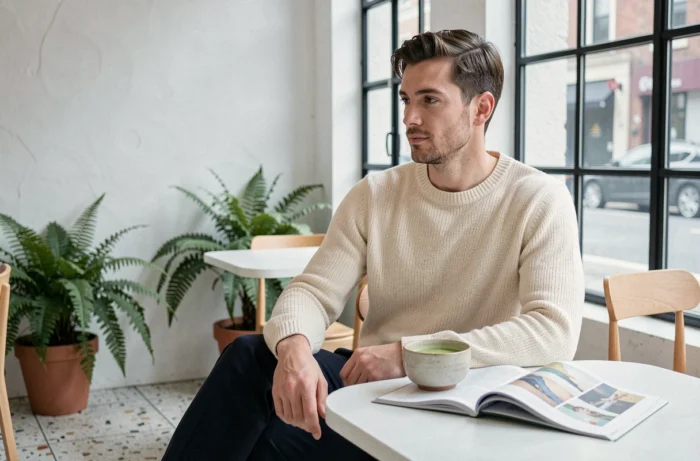
Solo living and daily wellness: two sustainable lifestyles
Solo living could be reduced to a constraint (high housing costs, unwanted singleness). The BCG report “Five Consumer Behavior Shifts Reshaping Growth in 2026,” published in August 2026, describes the opposite: living alone becomes a confident choice, associated with more independence and control.
This shift has concrete consequences for consumption. Brands in decoration, food, and leisure are adapting their formats to one-person households. Products designed for sharing (large formats, family subscriptions) are losing ground to tailored individual offerings.
Health as micro-optimization of routines
Wellness is no longer limited to a gym subscription. According to the BCG report from August 2026, health becomes a daily logic of micro-optimization of routines: sleep, hydration, nutrition, stress management. People are no longer looking for a program; they are adjusting habits in small increments.
- Sleep tracking via apps or connected devices, with weekly adjustments rather than an annual goal
- Nutrition tailored to individual lifestyle, not a standardized diet
- Integration of active breaks into the workday, without going to a gym
This shift towards daily life explains why wellness brands offering short and personalized routines are gaining traction in France.
Pop culture 2026: the return of analog and live performances
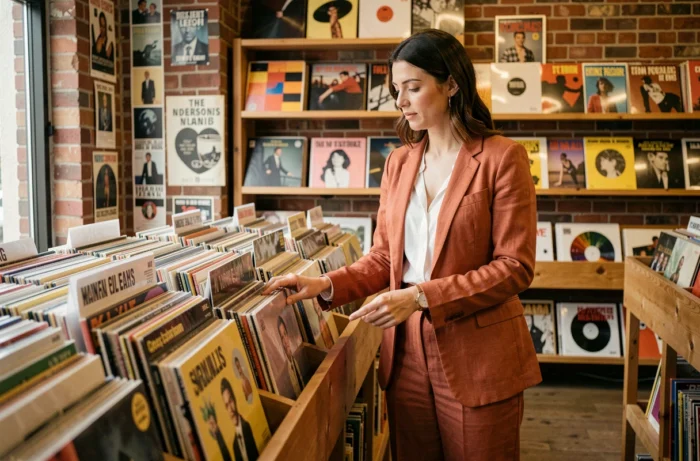
Numero.com has outlined the pop culture trends of the year, and two movements stand out clearly. The first is the return of analog and handmade: vinyl records, Polaroids, handwritten notebooks. This is not decorative nostalgia. There is a real fatigue with screens, and physical objects are regaining functional value.
The second movement is the explosion of live performances. Concerts are establishing themselves as the cultural event of 2026, with giant tours (BTS, Bad Bunny, The Weeknd, Céline Dion) and festivals selling out in minutes. Live events are becoming a social act, not just entertainment.
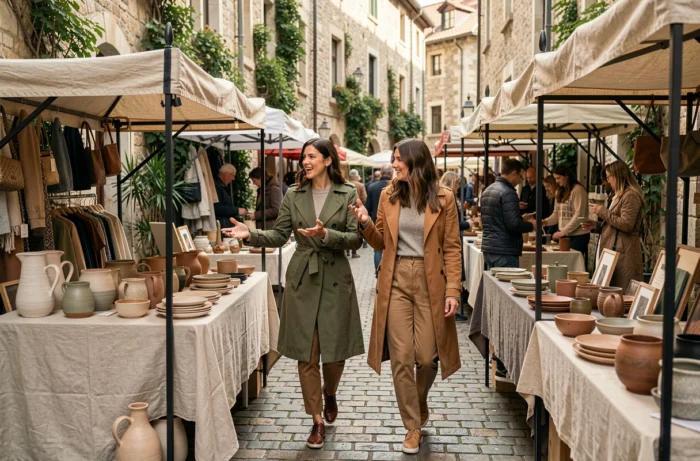
Indie sleaze and balletcore: two aesthetics shaping fashion
In fashion, two currents dominate. Indie sleaze, inherited from the 2010s and its flash-photographed nights, is returning with its deliberately nonchalant aesthetic. In contrast, balletcore continues its rise with ballet flats, wrap tops, and airy fabrics, driven by artists like Olivia Rodrigo and Rosalía.
These two trends are not as opposed as they may seem. They reflect the same need: to assert a personal style rather than follow a seasonal diktat. One draws from indie sleaze for the evening and from balletcore for daily wear, without seeking coherence.
Sustainable development and art: what is changing in creation in France
Sustainable development is no longer a marketing argument for French artists and creators. This is evident in material choices (recycled textiles, low-footprint scenographies), but also in formats: traveling exhibitions that share transportation, digital works designed to limit data consumption.
- Parisian galleries offer rotating exhibitions with local artists, reducing transport costs for artworks
- French cinema explores low-footprint filming, with productions favoring natural settings over energy-intensive studios
- Music festivals in France integrate environmental criteria in the selection of their service providers
Reactions vary on the real impact of these initiatives, but the direction is clear: culture integrates environmental constraints into its production processes, not just in its discourse.
The year 2026 paints a landscape where cultural and lifestyle choices are becoming more individual, more rooted in daily life, and more attentive to their impact. Live performances are regaining ground over digital, travel is refocusing on immersion rather than accumulation, and fashion is embracing its aesthetic contradictions. What matters is less the trend itself than how each person appropriates it.