When you start planning a wedding in 2026, the first challenge is not finding ideas, but sorting through those that are actually feasible in practice. Between moodboards filled with contradictory proposals and vendors recycling the same concepts, identifying what truly works in a specific reception venue, with a real budget, requires a more discerning filter than just scrolling through social media.
Two-Day Wedding with Next-Day Brunch: The Logistics Behind the Trend
The format that has been gaining popularity for the past two years is not about decoration or dress code. It’s the wedding spread over a full weekend, with an evening event on Saturday and a brunch on Sunday morning. A Hyatt study (Vows & Venues), published in September 2026, confirms that a majority of respondents wish to organize this next-day brunch.
In practice, this changes everything. We move from a one-day venue rental to a 48-hour booking, which alters the accommodation budget, catering schedule, and floral waste management. Recycling the arrangements from the previous day for the brunch table is becoming a common practice, provided this point has been negotiated with the florist in advance.
The news from Mariage Univers regularly covers these extended formats and feedback from couples who have tested them, allowing for the identification of vendors already experienced in this type of organization.
The classic pitfall: booking a venue without checking the possibility of staying on Sunday morning. Some venues charge a significant extra fee for the following morning, while others include it in the weekend package. It saves time to ask this question right from the first contact.
High-End Reception Venues: What Couples Really Want
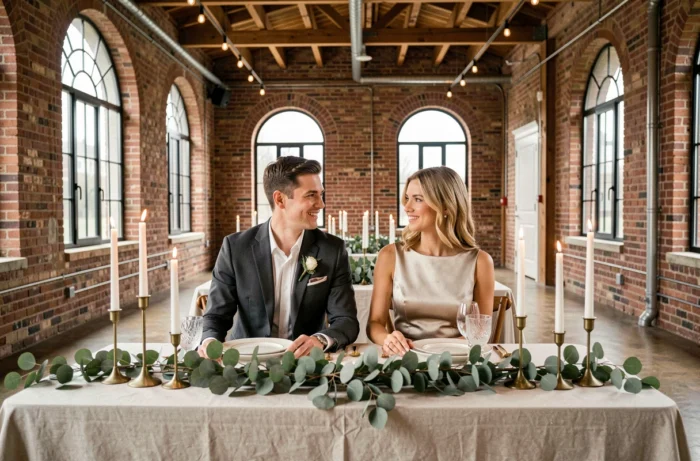
Competing content goes into detail about decoration styles (rococo, minimalist, black and white), but they overlook a fundamental shift. Young couples are turning to historic properties and high-end hotels rather than traditional multipurpose halls.
It’s not just a matter of aesthetics. A castle or a private hotel often offers on-site accommodation, simplifying the logistics of the two-day format. Guests sleep just a few meters from the reception hall, eliminating the need for shuttles or managing late returns.
Constraints to Anticipate with a Historic Venue
- Noise restrictions are common in listed buildings: check the allowed hours for amplified music before signing
- Access for catering trucks can be problematic in narrow courtyards or unpaved paths
- The actual capacity (standing vs seated) often differs from what the sales brochure states, especially if adding a photobooth or mobile bar
A physical scouting of the venue, ideally on a rainy day, avoids unpleasant surprises on the big day. Feedback varies on this point, but several couples report that visiting in good weather masks accessibility or drainage issues.
Phone-Free Ceremony and Immersive Experience for Guests
The unplugged wedding (no phones during the ceremony) is not new, but its actual adoption is progressing. In practice, we no longer politely ask guests to put away their smartphones: we install a clear sign at the entrance and entrust the capturing to a professional videographer.
The goal is to create a real collective presence during the exchange of vows. Wedding photographers report a visible difference in the shots: the gazes are directed at the couple, not at a screen.
Mobile Bars and Reception Scenography
The other on-the-ground trend that transforms the atmosphere of receptions is the mobile bar positioned in different locations throughout the evening. We’re not talking about a simple moved counter, but a pathway designed to guide guests from one space to another.
An outdoor cocktail bar during the cocktail hour, followed by a spirits bar in a different room after the meal: this circulation avoids the queue effect and creates micro-ambiences. The caterer must be involved in this spatial division from the planning phase, not at the last minute.
Wedding Decoration 2026: Personalization Over a Single Trend
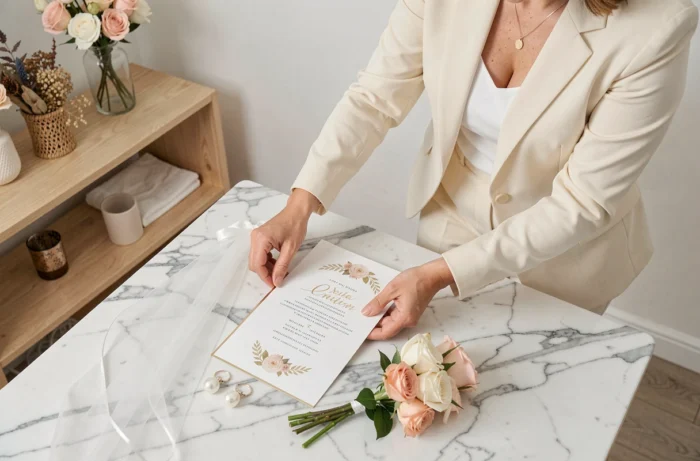
We are seeing a retreat from imposed themes in favor of a personal assembly of references that tell the couple’s story. A bouquet mixing flowers from the family garden, stationery that features typography related to a shared trip, tables named after significant places.
What has changed compared to previous years is the level of demand for coherence. Couples no longer want disjointed Pinterest boards. They ask wedding designers for a visual thread that holds throughout the entire day, from the invitation to the next-day brunch.
Bridal Gowns and the Style of the Couple: Towards More Comfort
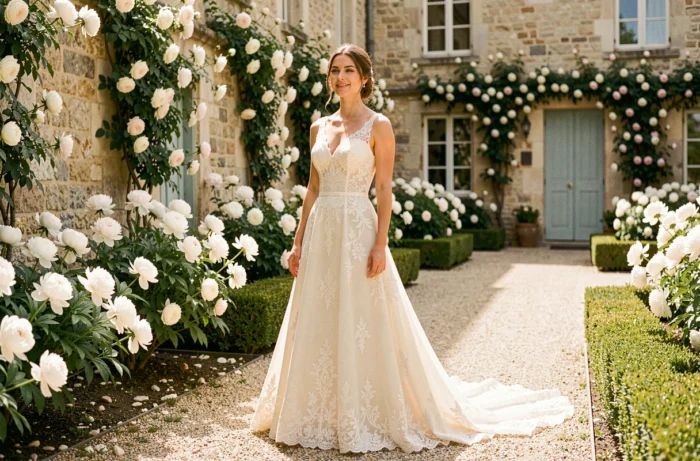
On the attire side, the most concrete trend is neither minimalism nor maximalism. It’s the embraced comfort over the duration of a celebration that stretches. Dresses with removable trains allow for a transition from the ceremony to the dance floor without a complete change. Couples are increasingly opting for unstructured jackets rather than rigid three-piece suits.
This evolution directly reflects the two-day format: when the celebration lasts 48 hours, wearing a corseted dress for 20 hours is not sustainable. Vendors offering fittings with movement simulation (sitting, dancing, walking on grass) gain credibility with future brides and grooms.
The wedding of 2026 is less built around a dominant aesthetic than around a controlled logistical sequence. The choice of venue conditions the format, the format determines the vendors, and the vendors shape the guest experience. Starting from the concrete, testing each option in practice, remains the best filter before validating an inspiration found online.