
The choice between standing and seating at the Accor Arena depends on variables rarely displayed on ticketing plans: stage configuration, audience density, actual viewing angle, and exit time at the end of the concert. Comparing these two options requires measuring what each placement offers and what it costs in terms of comfort, visibility, and logistics.
Standing or seating at the Accor Arena: comparative table of key parameters
| Criterion | Standing (floor) | Seating (bleachers) |
|---|---|---|
| Proximity to the stage | Maximum for frontal stage, variable in 360° | Increased distance, compensated by elevation |
| Overall visibility of the show | Limited by the height of the spectators in front | Clear view, especially in the higher central rows |
| Physical comfort | Standing for several hours, crowding, heat | Individual seat, variable legroom |
| Access to LED screens | Direct frontal angle but low view if too close | Optimal viewing angle from the central blocks |
| Exit time at the end of the concert | Longer (dense crowd, limited access) | Faster, especially from the upper levels |
| Atmosphere and sound immersion | Maximum intensity, bass felt physically | More balanced sound, mix often calibrated for seating |
This table outlines the main points. Each parameter deserves to be examined based on the type of concert, as the question of standing or seated placement at the Accor Arena changes its answer depending on whether the stage is frontal, advanced, or in a 360° configuration.

Stage configuration at Bercy: the factor that changes everything
The Accor Arena hosts very different stage setups from one concert to another. A classic frontal stage concentrates the action toward one side of the venue. A stage with a catwalk projects the artist toward the center of the floor. A 360° setup places the stage in the middle, surrounded by the audience on all sides.
Frontal stage: the floor retains the advantage of proximity
With a frontal stage, the floor offers the most direct contact with the artist. The front rows enjoy total immersion. However, spectators located at the back of the floor find themselves far from the stage without benefiting from the elevation of the bleachers: the back of the floor is often the worst placement in the venue.
From the central bleachers facing the stage, the view covers the entire stage setup, including lighting effects. The lower side blocks, classified in a high pricing category on some ticketing sites, still offer a low angle on the LED screens and part of the decor obscured by sound system structures.
360° configuration: the bleachers regain the advantage
When the stage is in the center, the floor surrounds the platform. Proximity still exists, but the artist constantly turns their back to part of the audience. The mid-height bleachers then offer the most complete view, as they overlook the stage without being affected by the artist’s rotations.
The venue’s capacity can reach around 20,000 seats in seated/standing configuration with a 360° stage, compared to just over 16,000 in a classic seated configuration. Therefore, the density on the floor significantly increases in these formats.
Real comfort on the floor: what concert duration reveals
A two-hour concert standing in a dense floor does not have the same effect on the body as a show lasting one hour and fifteen minutes. Physical fatigue is a parameter rarely considered at the time of ticket purchase.
- The temperature on the floor rises quickly once the venue is full, sometimes several degrees above the ventilated bleachers
- Crowd movements during the most energetic songs compress the spectators in the front rows against the security barriers
- Access to restrooms or refreshment points means losing one’s place, with no guarantee of getting it back
- Shorter spectators see their field of vision reduced to the necks of the people in front of them, with no possible recourse
For spectators relying on late public transport, the bleachers present a measurable logistical advantage. Exiting from the upper levels is quicker than from the floor, where the density of the audience slows evacuation. This detail can make a difference when the last metro imposes a tight schedule.
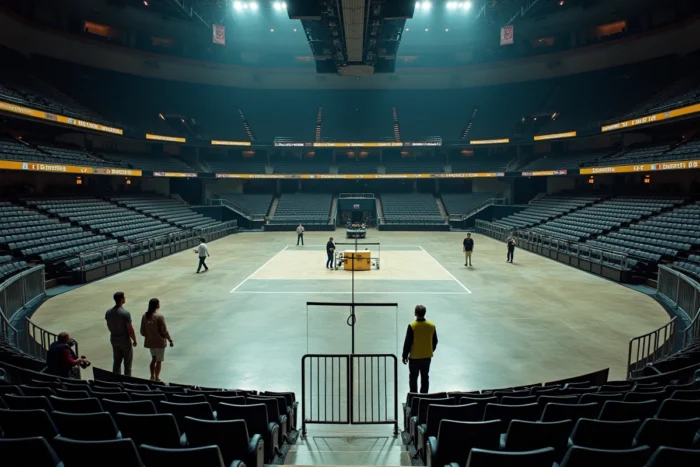
Premium offers and boxes at the Accor Arena: the third option
The recent trend in major French venues, including the Accor Arena, is the rise of Premium and VIP seats. Boxes, lounges, high-end categories with dedicated entrances and reserved parking create an intermediate segment between the floor and classic bleachers.
These seats, often located in lateral or elevated positions, compensate for the distance to the stage with very low audience density, on-site catering service, and simplified access. The audience that previously chose the best central bleachers is increasingly turning to these offers.
This third option changes the traditional trade-off. The question is no longer limited to standing or seated: it now includes the level of service and peripheral comfort. The additional cost is significant, but for a spectator attending one or two concerts a year, the difference in experience can justify the investment.
Choosing your seat based on the type of concert at the Accor Arena
The musical genre and staging weigh as much as the location in the venue. A rock or hip-hop concert with a frontal stage and standing audience on the floor creates a collective energy that is hard to replicate from the bleachers. A pop show with a strong visual component (giant screens, choreographies, complex lighting effects) is better enjoyed from a distance.
- Rock, metal, hip-hop with strong stage-audience interaction: the front floor remains the most immersive choice, provided you arrive early to secure a spot
- Pop, K-pop, shows with elaborate staging: the central bleachers offer the best overall view of the show
- 360° concerts: mid-height bleachers surpass the floor in constant visibility
The seating plan displayed by the ticketing does not reflect the actual viewing angle. The pricing categories correspond to a commercial grid, not to an objective ranking of visual quality. Checking the stage configuration announced by the artist or producer before purchasing remains the most reliable reflex to avoid a bad surprise on concert night.